Rapid Decompression Analysis
Modern commercial aircraft are flying at high cruise altitude (between 25kft and 40kft) in order to minimise fuel consumption and to avoid weather turbulence. At this altitude level, direct exposure to the atmospheric pressure and ambient temperature must be prevented to avoid passenger injuries or even death. Therefore all commercial aircrafts have a pressurized cabin and are thermally insulated to offer an optimum passenger comfort and safety level. However loss of pressurization does occur in service with variable level of severity, from slow depressurization due to fuselage leak to explosive decompression following an engine rotor burst.
Only in 2018, three severe decompression accidents happen on commercial aircraft:
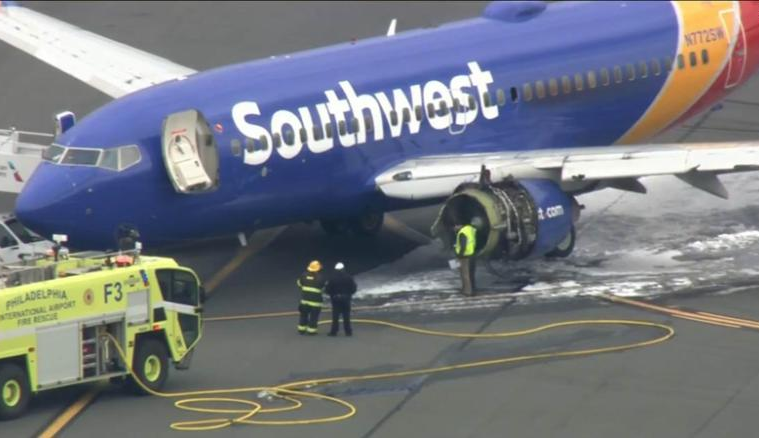
- 28 April 2018: Southwest Airlines Flight 1380, Boeing B737-200, very rapid decompression at 32'500ft due to a window rupture caused by an engine shrapnel. One passenger died.
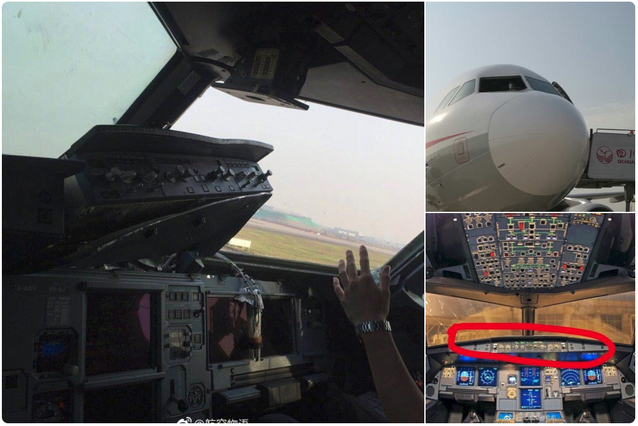
- 14 May 2018: Sichuan Airlines Flight 3U8633, Airbus A319, explosive decompression at 32'000ft due to a cockpit windshield failure. Co-pilot was blown from his seat by strong decompression airflow and suffer minor injuries.
- 13 July 2018: Ryanair Flight FR7312, Boeing B737-800NG, rapid decompression at 37'000ft due to a sudden loss of pressurization. The occurrence was caused by a fully opened Outflow valve commanded by the Cabin Pressure Controllers (CPC). 33 Passengers suffered minor injuries.
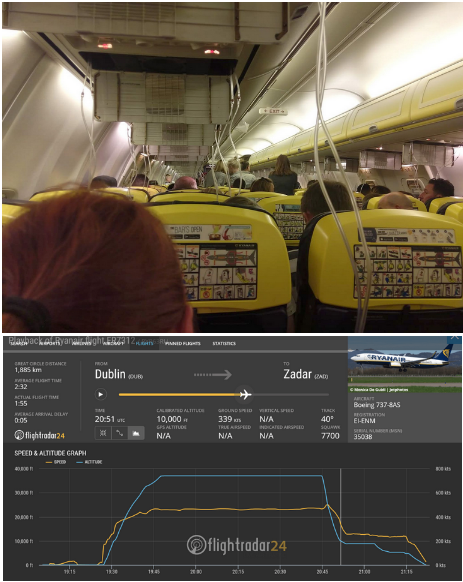
In all three cases, flight continuation and a safe landing was achieved. Throughout the years, regulations (FAR25 / CS25) were put in place in order to avoid catastrophic consequences of a decompression event (cabin floor structure collapse, detached cabin part hitting occupants, etc...).
Compliance to regulations can be achieved through tests or by numerical simulation. The over pressure on cabin boundaries (bulkhead, partition, flood structure, etc...) generated by the sudden air flow exiting the fuselage in a very rapid decompression event can be accurately predicted by numerical analysis with dedicated software like ESonix.
Interested in running your own decompression analysis?
We have initially developed our decompression analysis software ESonix as an engineering tool that could be directly used by our customers.
ESonix is a web based application under license that could be safely run remotely from your desktop environment without any local installation. If you are familiar with explosive decompression simulation and you know how to built your decompression analysis model then this option could be of interest for you.
ESonix does not only deliver differential pressure results but it has been built to provide key information to help you understand and solve your critical pressure peak.
Dedicated trainings around explosive decompression simulation and its application with ESonix are also proposed.
See Rapid Decompression trainings for more information.
Decompression analysis made for you
Throughout the years, we have capitalized experience in running complex decompression analysis on various aircraft. Independently or in collaboration with some of our customers we have performed detailed and comprehensive validation of decompression analysis results made with ESonix on commercial aircraft.
Currently, we have successfully achieved results correlation on Airbus A319 / A330 and Boeing B737MAX / B737NG / B777. On those aircraft we can conduct the decompression analysis for you and support you throughout the certification process thanks to our expertise. We have already successfully passed EASA certification on several projects of cabin reconfiguration and cargo conversion.
Please contact us for more information
Why running a new decompression analysis?
Any modification in cabin enclosed volume and cabin venting could impact the original OEM decompression scenario used for aircraft type certification. Typically, a cabin reconfiguration that creates a new small room requires a new decompression analysis to evaluate the peak pressure reached on this room boundary walls.
Another typical example is the installation of shrouded seats or monuments that restrict or totally blocked the air flow going through the dado panels. The venting between the main cabin and the cargo area will be affected and could potentially lead to an increase on the maximum floor differential pressure.
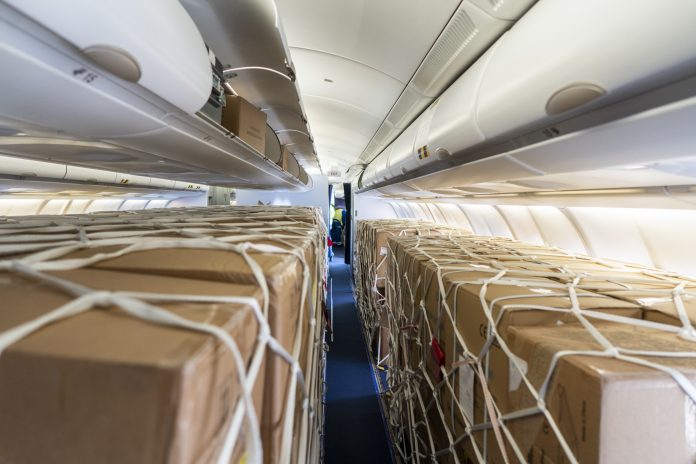
The need for new decompression analysis is more obvious for VIP cabin outfitting or PAX to Freighter conversion. Thanks to our customers and past projects we also have valuable experience in those fields.
Do not hesitate to contact us for further information.